Open post

“Caring for the Stars: What Nursing Students Can Learn from Eric Dane and Jenna Bush Hager”


Caring for the Stars: What Nursing Students Can Learn from Eric Dane and Jenna Bush Hager

Caring for the Stars: What Nursing Students Can Learn from Eric Dane and Jenna Bush Hager

Hey there, fellow nursing students! Today, let’s chat about something a little different but super insightful. We often look to textbooks, lectures, and clinicals for the skills we need in nursing. But sometimes, the best lessons come from the unlikeliest of places—like celebrity experiences. Yep, you heard me right! Let’s dive into what we can learn from actors Eric Dane and Jenna Bush Hager, two people who, in their own ways, have dealt with health and wellness. Grab your coffee, because this is going to be a fun ride!

The Realities of Healthcare

So, here’s the thing: Eric Dane, known best for his role as Dr. Mark Sloan on “Grey’s Anatomy,” isn’t just a TV doc. In real life, he’s faced challenges that many of us in the nursing field will encounter. He’s talked openly about struggles with mental health, and let me tell you, that’s a huge conversation we need to have more often. In fact, discussions around mental health are becoming more prominent, as highlighted in the article “Eric Dane and Jenna Bush Hager: Navigating Health Conversations in 2025”.

  • Empathy matters: Seriously, if we can learn anything from Eric’s openness, it’s that empathy isn’t just a word we throw around. It’s a feeling, an experience. We need to put ourselves in our patients’ shoes.
  • Normalizing struggles: When celebrities like Dane talk about their issues, it opens the door for us to do the same. Let’s face it, mental health is a part of overall health. Let’s not ignore it.
  • Advocacy: He’s been vocal about mental health awareness. As nursing students, we can take that advocacy into our future careers, pushing for better support systems for our patients.

Lesson in Compassion from Jenna Bush Hager

Now, let’s pivot to Jenna Bush Hager. Not only is she a former First Daughter and a talented author, but she’s also become a prominent advocate for early childhood education and health—kind of a big deal, right? What can we glean from her journey?

  • Connection with patients: Jenna often shares heartfelt stories about her experiences with children facing health challenges. It reminds us that our patients are more than just charts—they’re people with stories.
  • Education is key: One of the things Jenna emphasizes is the power of knowledge. As future nurses, we need to educate our patients. It’s not just about treating symptoms; it’s about empowering them to understand their health.
  • Community support: Jenna is all about bringing people together. It’s a great reminder that we’re not alone in our nursing journey—building a supportive community can make all the difference. This is something we can learn from “Balancing Fame and Care: Lessons from Aaron Rodgers’ Wife on Nursing and Public Health Advocacy”, which emphasizes the importance of community in healthcare.

Building Resilience Through Their Stories

Here’s a confession: when I first started nursing school, I thought it was all about the clinical skills and memorizing the anatomy. But resilience? That was something I assumed came naturally. However, looking at Eric and Jenna, I realized resilience is a skill we can learn and hone.

  • Facing vulnerability: Both of these stars have shown us that it’s okay to be vulnerable. In nursing, we’re going to face tough days. Acknowledging that we’re not superhuman can actually help us become better caregivers.
  • Learning to bounce back: It’s about how we respond to challenges. Eric’s journey with mental health and Jenna’s commitment to education illustrate that we can rise above our struggles—let’s channel that determination!
  • Seeking help: Remember, it’s okay to ask for help. Whether it’s reaching out to a mentor or talking to a friend, leaning on others is a strength, not a weakness.

Putting It All Together: Action Steps for Nursing Students

Alright, so how can we take these lessons and truly implement them into our day-to-day lives as nursing students? Here’s what I’ve found helpful:

  • Practice active listening: Next time you’re in clinicals, really listen to your patients. Ask open-ended questions and engage with them. You might be surprised by what you learn!
  • Advocate for mental health: Don’t be afraid to bring up mental health topics with your peers or mentors. Let’s keep that conversation going!
  • Engage in community service: Find ways to get involved in your community. Whether it’s volunteering at a health fair or tutoring kids, it’s a great way to apply Jenna’s lessons on support.
  • Reflect on your experiences: Take time to journal about your clinical experiences. What challenges did you face? How did you feel? This will not only help you process but reinforce your resilience.

In closing, let’s remember that while nursing school is undoubtedly challenging, we have so much to gain from looking beyond textbooks. Learning from the stories of Eric Dane and Jenna Bush Hager reminds us that compassion, empathy, and resilience are at the heart of nursing. Let’s keep these lessons close as we move forward in our careers. Now go out there and be the stars we know you can be!
Open post

“Eric Dane and Jenna Bush Hager: Navigating Health Conversations in 2025”

Eric Dane and Jenna Bush Hager: Navigating Health Conversations in 2025

Let’s set the scene. Picture this: it’s 2025, and the world has changed a lot since the early days of social media and wellness trends. We’re all trying to navigate this wild landscape of health advice, and who better to help guide us than Eric Dane and Jenna Bush Hager? Honestly, these two are like the cool friends you wish you had, always ready to chat about the latest health kicks while making you laugh. So, grab your coffee, and let’s dive into how they’re tackling health conversations today!

Why Eric Dane and Jenna Bush Hager Are Relevant

Okay, let’s talk about why these two are such a big deal when it comes to health conversations. Eric Dane, known for his role in “Grey’s Anatomy,” is not just a hunky actor; he’s also a guy who’s openly shared his struggles with mental health. And Jenna Bush Hager? Well, she’s the relatable friend we all need, with her easy-going vibe and genuine discussions around health and wellness on “Today with Hoda & Jenna.”

  • Eric’s Journey: He’s been candid about his battles with depression and anxiety, which makes him super relatable. It’s refreshing to see a Hollywood guy break down those walls.
  • Jenna’s Approach: With her background as a teacher and a mother, Jenna brings a unique perspective to the table. She often discusses health in a way that’s approachable and practical.
  • Real People, Real Health: They both emphasize that health isn’t one-size-fits-all. Their openness encourages conversations that we can all relate to.

Here’s the thing: we need more people like them in the spotlight—people who are willing to be real about their experiences. It’s like they’re giving us the green light to talk about things we’ve been too scared to bring up ourselves. You know what I mean?

Getting Personal: Health Conversations That Matter

Let’s be real for a second—talking about health can feel daunting. It’s like we’re all expected to have it figured out, but in reality, we’re just winging it most of the time. Eric and Jenna remind us that it’s okay to not be okay. They encourage us to have those hard conversations, not just with each other but also with ourselves.

Some health topics that Eric and Jenna have tackled include:

  • Mental Health: Eric’s honesty about his mental health struggles is a game-changer. It makes it easier for others to open up about their own challenges. Seriously, who hasn’t felt overwhelmed at some point?
  • Physical Wellness: Jenna often shares practical tips for maintaining physical health while juggling life’s chaos. She gets it—between work, family, and personal time, finding balance is tough!
  • Nutrition and Diet: They both talk about food in a way that doesn’t make you feel guilty. It’s not about perfection; it’s about making choices that feel good.

I mean, how many times have we all been tempted to just throw our hands up and say, “What’s the point?” But then you hear someone like Eric or Jenna share their stories, and it’s like a little spark of hope. No joke, just hearing them talk about their experiences makes me feel more empowered to tackle my own health journey.

Using Social Media for Good

In 2025, social media is a mixed bag, right? It can be a wonderful way to connect, but it can also lead us down a rabbit hole of comparison and unrealistic expectations. Thankfully, Eric and Jenna are using their platforms to spread positivity and genuine health information.

Here’s how they’re doing it:

  • Authenticity: Both share their real-life experiences, not just the polished Instagram version. They show us that life is messy, and that’s okay.
  • Community Building: They foster a sense of community among their followers. Eric started conversations around mental health, while Jenna engages with her audience about practical parenting and wellness tips.
  • Encouraging Vulnerability: By being vulnerable themselves, they create a safe space for others to share their stories. It’s like a big, warm hug that says, “You’re not alone.”

Honestly, I wish someone had told me how powerful vulnerability could be years ago. The more we share our struggles, the less alone we feel. It’s a huge relief to connect with others who get it. And isn’t that what we all want?

Final Thoughts: Let’s Keep the Conversation Going

So here we are, navigating the wild world of health conversations in 2025, led by the likes of Eric Dane and Jenna Bush Hager. They remind us of the importance of being open, authentic, and supportive of each other. If we can take a page out of their book, we’ll be well on our way to creating a healthier and more understanding world.

In the end, it’s about progress, not perfection. Let’s embrace our journeys, share our stories, and lift each other up. Because, really, that’s what it’s all about. So, what’s your take? How do you navigate your health conversations? I’d love to hear your thoughts!

Until next time, keep it real, friends! And remember, as highlighted in Balancing Fame and Care: Lessons from Aaron Rodgers’ Wife on Nursing and Public Health Advocacy, advocacy in health can take many forms, and every voice matters.

Open post

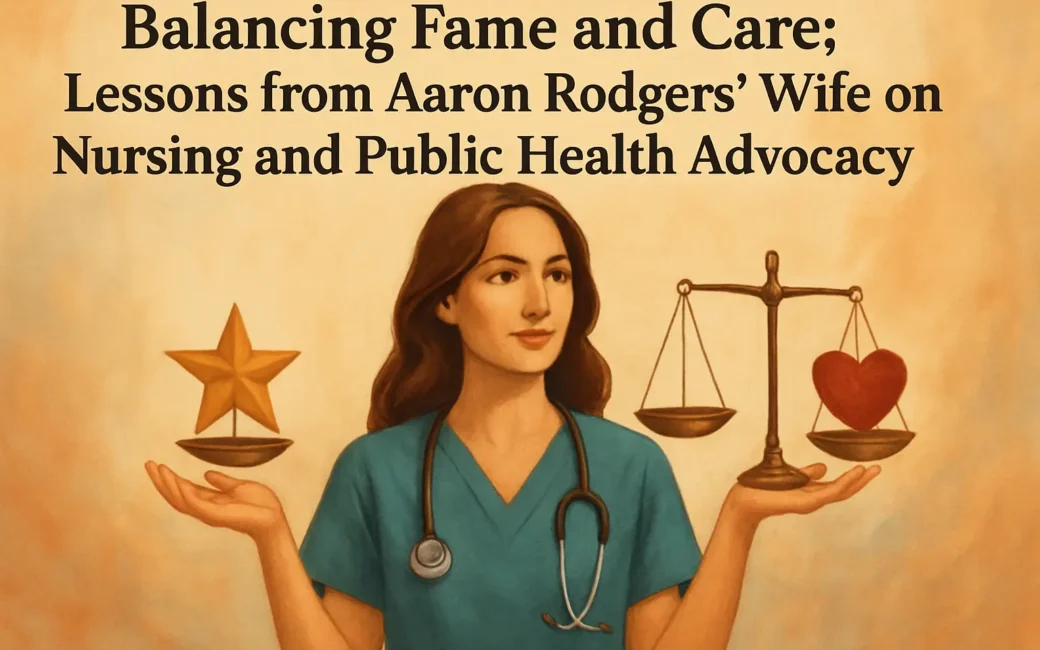
“Balancing Fame and Care: Lessons from Aaron Rodgers’ Wife on Nursing and Public Health Advocacy”


Balancing Fame and Care: Lessons from Aaron Rodgers’ Wife on Nursing and Public Health Advocacy

Balancing Fame and Care: Lessons from Aaron Rodgers’ Wife on Nursing and Public Health Advocacy

Hey there! So, let’s chat for a moment about a topic that’s super close to my heart: nursing and public health advocacy. And who better to discuss this than the talented and inspiring Darcy Wretzky—yes, the wife of none other than NFL superstar Aaron Rodgers? Now, you might be thinking, “What does a football player’s wife have to do with nursing?” Well, grab your coffee and let’s dive in!

The Balancing Act of Fame and Advocacy

First off, let’s acknowledge how tricky it can be to juggle fame with a meaningful career in healthcare. I mean, we’re all just trying to make a difference, right? And here’s the thing: Darcy isn’t just your average spouse. She’s a fierce advocate for public health and nursing, and she’s been using her platform to shine a light on crucial issues. It’s like she’s saying, “Hey, just because I’m in the spotlight doesn’t mean I’m not passionate about people’s health.”

  • Advocacy in the Public Eye: Darcy has shown us that you can use fame for good. She’s not just sitting back while Aaron makes headlines; she’s making her own.
  • Staying Grounded: Amidst the glitz and glamour, she remains connected to her nursing roots. Seriously, how refreshing is that?
  • Real Conversations: She encourages discussions about mental health, healthcare access, and the importance of nursing. And let’s face it, we need more of that in this world!

Honestly, I wish someone had told me this sooner. It’s so inspiring to see someone in the public eye using their influence responsibly. It makes me think about how we can all find a way to contribute, no matter our circumstances. For instance, local activism, like that seen in “No Kings Protest Near Me: Understanding Local Activism and Its Effects on Healthcare Access”, can play a significant role in improving healthcare access.

Lessons on Public Health Advocacy

Alright, so what can we learn from Darcy’s approach? Here are a few juicy nuggets of wisdom that I think we all could benefit from:

  • Be Authentic: People are drawn to authenticity. Darcy doesn’t try to be someone she’s not. She shares her real experiences and concerns about healthcare. I mean, who wants to hear from someone who’s just reading a script?
  • Engage Your Audience: Whether it’s through social media or community events, Darcy interacts with others on health issues. She doesn’t just talk at people; she talks with them. What a concept!
  • Use Your Platform: Whether you have a million followers or just your close friends, use that influence to spread awareness. Seriously, every conversation counts.

Let’s be real: we all have something to say, but how often do we actually say it? Sometimes I feel like we’re just waiting for the “perfect moment” to jump in. Spoiler alert: that moment might never come. Just speak out! It feels good.

Nursing: More Than Just a Profession

Here’s the thing: nursing is more than just a job; it’s a calling. And Darcy embodies that sentiment. She highlights how nursing isn’t just about patient care—it’s about community well-being. I remember when I first started nursing, I thought it was just about bandages and syringes. But I quickly learned it’s so much deeper than that.

  • Empower Others: Darcy believes in empowering her patients, teaching them about their health so they can make informed decisions. Honestly, it’s like giving someone the keys to their own health kingdom!
  • Advocate for Change: She doesn’t shy away from advocating for policy changes. We need more voices like hers in the system! Can you imagine if more people pushed for better healthcare policies?
  • Community Engagement: Whether it’s hosting health fairs or educational workshops, Darcy is all about getting involved. And you know what? It inspires others to do the same!

I mean, how many times have you wished for a healthcare system that actually worked for everyone? Darcy’s commitment gives me hope. No joke, this trick actually works—when we come together, we can create real change!

The Power of Storytelling in Nursing

Finally, let’s touch on something that’s crucial: storytelling. In nursing, our stories can connect us to patients and communities. Darcy uses her experiences, both personal and professional, to engage others. And that’s a powerful tool!

  • Sharing Experiences: When Darcy shares her own struggles and triumphs, it humanizes the healthcare experience. It’s not just a sterile environment; it’s about real people.
  • Inspiring Change: Her stories can inspire others to advocate for themselves and their communities. Seriously, how many times have you heard a story that moved you to act?
  • Creating Connections: Stories build connections. They remind us we’re not alone in this crazy journey of life and health.

Honestly, it’s so easy to forget the power of a good story in our increasingly digital world. But every time I hear someone’s journey, I’m reminded that we’re all in this together. And let’s not overlook how important it is to listen to those stories, too!

In Conclusion

So, what have we learned from Darcy Wretzky and her impressive work in nursing and public health advocacy? For starters, being in the spotlight doesn’t mean you can’t make a difference. It’s about using your platform, sharing your story, and advocating for those who can’t advocate for themselves. And honestly, who among us wouldn’t want to be a part of that?

Let’s take a page from her book—step out, engage, and be the change we wish to see. Because when we balance fame with genuine care, amazing things can happen. Cheers to that!


Open post

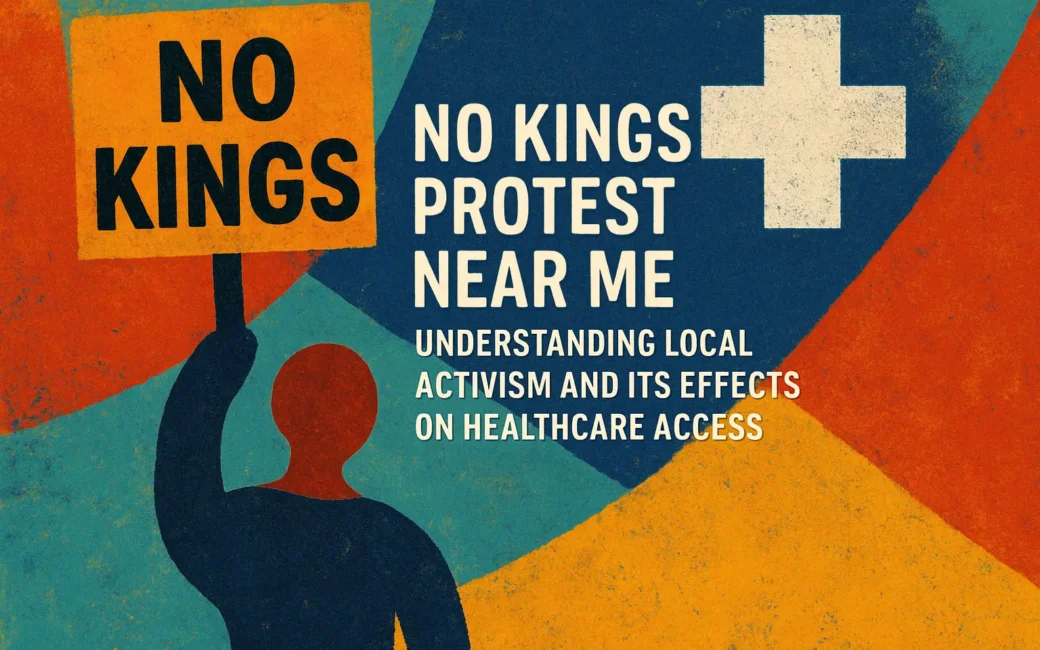
“No Kings Protest Near Me: Understanding Local Activism and Its Effects on Healthcare Access”


No Kings Protest Near Me: Understanding Local Activism and Its Effects on Healthcare Access

No Kings Protest Near Me: Understanding Local Activism and Its Effects on Healthcare Access

Hey there, friend! Have you ever noticed a protest happening near your home? Maybe you thought, “What’s that all about?” This is the beauty of local activism. It’s like your community shouting, “Hey! We care about this!” And honestly, who wouldn’t want to be part of something that might just improve our lives, especially when it comes to something as vital as healthcare? So, get comfy, grab your coffee, and let’s dive into how local activism—like those “No Kings” protests—can truly affect our access to healthcare.

What Do ‘No Kings’ Protests Even Mean?

Alright, let’s break it down. “No Kings” protests often arise in response to policies or practices that are seen as unjust or oppressive—kind of like saying, “We don’t need anyone ruling over us!” It’s like a rallying cry against the powers that be.

  • These protests can be about anything from social justice to healthcare access, or even climate change.
  • They’re grassroots movements, meaning they often start small, with passionate locals taking a stand.
  • When people band together, it can create a powerful voice that local leaders can’t ignore.

No joke, it’s inspiring to see people standing up for what they believe in. I once stumbled upon a protest about healthcare accessibility while jogging (okay, more like leisurely strolling) in my neighborhood, and it blew my mind how many people were passionate about making change. And funny enough, a few of them were my neighbors! Talk about community spirit. This kind of engagement can also be seen in the work of Aaron Rodgers’ Wife: The Impact of Celebrity in Nursing Advocacy and Community Support, where celebrity influence is harnessed for healthcare awareness.

Why Local Activism Matters for Healthcare Access

Here’s the thing: when we talk about healthcare access, we’re not just discussing insurance or doctors’ offices. It’s interconnected with so many aspects of our lives. Local activism can help shed light on issues that often get swept under the rug.

  • Awareness: Protests grab attention. They make people stop and think. “Hey, why is this happening?”
  • Policy Change: Local movements can influence lawmakers to rethink policies that restrict access to care.
  • Community Support: Being part of a movement can offer emotional and social support for those affected by healthcare inequalities.

Honestly, the last point is huge. I remember chatting with a few protestors, and they shared personal stories of how their families struggled with healthcare costs. It made me realize how interconnected we all are. One person’s fight can easily become a community’s fight. And when you’re fighting for someone you care about, it makes the battle feel more meaningful. This is similar to the insights shared in The Role of Celebrity Spouses in Healthcare Awareness: Insights from Brittani Rodgers, highlighting how personal stories can galvanize community support.

The Ripple Effects of Local Activism

Now, let’s talk about the ripple effects—because there’s often more to it than meets the eye. When local activism gains traction, it can lead to changes that echo far beyond the initial movement.

  • Increased Visibility: Issues that might seem niche to some can gain national attention through local protests.
  • Engagement: People who may have never cared about healthcare policies might get involved after witnessing a protest.
  • Long-Term Change: Grassroots movements can lead to sustained advocacy efforts that change laws and regulations.

Let’s be real—sometimes change feels like it’s moving at a snail’s pace. I mean, how many times have we all rolled our eyes at slow policy shifts? But local activism gives us a fighting chance. It’s like a wave building up; once it crashes, you might be surprised at how far it reaches. I once attended a community meeting that stemmed from a protest, and discussions kicked off that led to new health programs. Can you believe it?

Getting Involved in Your Local Movement

So, you’re probably wondering how you can get involved, right? I get it—I felt a bit lost when I first glimpsed the vibrant world of local activism. Here are some simple ways to dip your toes in:

  • Attend Local Meetings: Find out about community forums or town hall meetings. They’re often super informative!
  • Volunteer: Many organizations are always looking for help. Offer some of your time; it can be really rewarding.
  • Join a Protest: If you see a movement that resonates with you, consider joining it. Your presence matters!
  • Educate Yourself: Read up on the issues at hand. Knowledge is power, and it helps you advocate effectively.

Honestly, I wish someone had told me this sooner. I felt overwhelmed at first, thinking I needed to make a huge impact or be an expert. But every little bit counts. Just showing up can make a world of difference.

In conclusion, local activism is a powerful tool for amplifying voices and driving change, especially when it comes to healthcare access. Whether it’s through protests, community meetings, or just having conversations, each action builds momentum. So next time you see a “No Kings” protest near you, take a moment to stop, listen, and maybe even get involved. Who knows? You might just change someone’s life—and yours in the process!


Open post

“Aaron Rodgers’ Wife: The Impact of Celebrity in Nursing Advocacy and Community Support”


Aaron Rodgers’ Wife: The Impact of Celebrity in Nursing Advocacy and Community Support

Aaron Rodgers’ Wife: The Impact of Celebrity in Nursing Advocacy and Community Support

So, let’s chat about something that’s been on my mind for a while—celebrity influence in healthcare advocacy. You’ve probably heard of Aaron Rodgers, right? The superstar quarterback? Well, his partner, Shailene Woodley, has been making waves in the nursing and healthcare community lately. I mean, who would’ve thought that a Hollywood actress could shine a spotlight on nursing advocacy and community support? But here we are, and it’s kind of awesome.

The Power of Celebrity in Advocacy

Let’s be real, when it comes to advocacy, celebrity status can be a double-edged sword. On one hand, it brings visibility and attention to important issues. On the other, it can sometimes overshadow the hard work done by professionals. How many times have we seen a celebrity come in, share their story, and suddenly everyone is tuned in? It’s like magic!

  • Awareness Boost: Celebrities like Shailene can turn the spotlight on nursing shortages, mental health, and community health initiatives.
  • Inspiration: Their stories can inspire others. For instance, how many of us have felt motivated to help out after hearing a touching tale of a nurse’s dedication?
  • Platform Access: With millions of followers, they have the ability to reach thousands (if not millions) of people who might not have been aware of these issues before.

And honestly, who wouldn’t want to listen to someone who’s passionate and charismatic? When Shailene speaks about nursing advocacy, her words resonate. I remember watching one of her interviews, and it felt like she was talking directly to me, urging us all to take action. I mean, how cool is that?

Shailene Woodley: More than Just Aaron Rodgers’ Partner

Now, I get that some might just see her as “Aaron Rodgers’ girlfriend,” but let’s not forget her own incredible efforts in activism. She’s been vocal about environmental issues and health care access, which ties directly into nursing advocacy. Here’s the thing—she doesn’t just lend her name; she puts in the work. Watching someone in a high-profile relationship still stand out for their own causes? That’s refreshing.

Here’s a fun fact: Did you know that Shailene has a background in herbal medicine? Yeah, she’s not just a pretty face. Her interest in natural healing and wellness shines through in her advocacy. I mean, how many actors can you think of who have gone to that depth? It’s inspiring. In fact, her story is similar to that of other notable figures in healthcare advocacy, such as discussed in The Role of Celebrity Spouses in Healthcare Awareness: Insights from Brittani Rodgers.

The Impact on Community Support

When celebrities like Shailene advocate for nursing and healthcare, the ripple effect can be massive. It’s not just about awareness; it’s about tangible support for communities. Let’s break it down:

  • Increased Donations: Charities and nonprofits often see a surge in donations when a celebrity endorses them. Who doesn’t want to support a cause that’s backed by someone they admire?
  • Community Engagement: With her influence, Shailene encourages fans to get involved in local health initiatives. It’s like planting a seed that grows into something bigger.
  • Collaborative Efforts: Her relationships with other organizations help bridge gaps between healthcare providers and communities—something that can be desperately needed, especially now.

Honestly, watching this unfold is like seeing a snowball effect. One small act of advocacy leads to another, and before you know it, entire communities are coming together. I can’t help but get excited about that!

What We Can Learn from Their Journey

So, what does all this mean for us? Well, it’s a reminder that we all have a role in advocacy, celebrity or not. Here’s what I think could help us channel our inner Shailene:

  • Get Educated: Whether it’s about nursing care, mental health, or community support—knowledge is power. I wish someone had told me to learn more about my local health resources earlier!
  • Use Your Voice: Just because you don’t have a million followers doesn’t mean you can’t make noise. Share your experiences, start conversations, and advocate for what matters.
  • Support Local Initiatives: Volunteer your time, donate where you can, or simply spread the word about local events. Even small acts can lead to significant changes.

No joke, I feel like I’m more inspired than ever to get involved after writing this. It’s uplifting to see how one couple can spark so much passion and drive change in the healthcare community. Who knows, maybe we can all be a little more like Shailene and Aaron in our own communities?

Conclusion

In wrapping up, it’s clear that celebrity advocacy can have a profound impact on nursing and community support. Shailene Woodley, not just Aaron Rodgers’ significant other, has shown us that with great influence comes great responsibility—and she’s taking that responsibility seriously. It’s a beautiful thing to witness, and it reminds us all that we can make a difference, no matter our platform. So, let’s get out there and do just that! Cheers to making meaningful change! For more insights on advocacy, check out Behind the Scenes: How Aaron Rodgers’ Wife, Brittani, Balances Advocacy and Support in Healthcare.


Open post

“The Role of Celebrity Spouses in Healthcare Awareness: Insights from Brittani Rodgers”

The Role of Celebrity Spouses in Healthcare Awareness: Insights from Brittani Rodgers

Hey there! So, let’s chat about something that’s been on my mind lately—how celebrity spouses are stepping up in the world of healthcare advocacy. I mean, it’s not just about the glitz and glam anymore; these folks are using their platforms to raise awareness about important health issues. One great example is Brittani Rodgers, who has become a voice for change. Trust me, you’ll want to hear what I’ve learned about her journey and what it means for all of us.

Raising Awareness Through Personal Stories

Okay, let’s dive in. When it comes to healthcare awareness, personal stories hit differently, right? They resonate on a level that statistics just can’t touch. Brittani Rodgers, for example, often shares her own experiences with health challenges. It’s like she’s sitting right across from us, sharing her journey over coffee. Here’s why that matters:

  • Relatability: When she talks about her struggles, we see a bit of ourselves in her. It’s humanizing.
  • Breaking Stigma: Brittani’s openness about mental health or chronic illness makes it easier for others to speak up.
  • Empowering Others: By sharing her story, she empowers her followers to take charge of their health.

Honestly, I wish someone had told me when I was younger how much power storytelling can have. It makes people feel less alone. I’ve had my battles with anxiety, and hearing someone like Brittani talk about it is a reminder that we’re all in this together. Her inspiring journey is a testament to the strength found in vulnerability, much like the stories shared in Brittani Rodgers: Inspiring Stories of Resilience in Nursing and Family Life.

The Power of Influence in Social Media

Let’s be real for a second. We live in a world dominated by social media. If you’re scrolling through your feed, chances are you’ll come across a celebrity post at some point. And here’s the kicker—celebrity spouses like Brittani are using that influence for good.

Social media is their megaphone, and they’re not afraid to shout about healthcare issues. Here are a few ways they do it:

  • Quick Campaigns: They can launch awareness campaigns in a heartbeat—Instagram stories, TikTok challenges, you name it.
  • Collaborations: Partnering with health organizations gives their message credibility. It’s like having a friend vouch for you when you really need it.
  • Engaging Content: From videos to infographics, they create shareable content that catches our eye and informs us.

And let’s not forget the impact of hashtags. Have you ever jumped on a trending health hashtag? It’s a simple way to join a conversation and raise awareness. Brittani knows how to play the game, and she’s definitely winning.

Advocacy and Fundraising Efforts

Here’s the thing about celebrity spouses—they’re not just about pretty pictures and filtered lives. They often get involved in nonprofit work and fundraising efforts. I mean, who wouldn’t want to be part of a good cause, right?

Brittani has participated in various health-related fundraisers and events, and honestly, they make a difference. Here’s how:

  • Visibility: High-profile events draw attention. When a celebrity is involved, the media pays attention.
  • Financial Support: Fundraising efforts can raise significant amounts of money for research and support services.
  • Community Building: These events bring people together, fostering a sense of community and shared purpose.

It’s kind of incredible to see people rally around a cause, and knowing that someone like Brittani is in the mix adds a special touch, doesn’t it? I mean, if she can lend her voice to something she cares about, why can’t we? It makes me want to step up my game.

The Responsibility of Advocacy

Now, let’s talk about something a bit deeper. With great influence, comes great responsibility. Seriously, it’s not all sunshine and rainbows. There’s a fine line between raising awareness and spreading misinformation. And we’ve seen it happen, right? A celebrity posts something unverified, and suddenly, it’s everywhere.

Brittani is someone who seems to understand this balance. She’s careful with the information she shares, often backing it up with research or partnering with reliable sources. Here’s what we can learn:

  • Do Your Research: Always double-check what you hear, even if it comes from someone you admire.
  • Promote Critical Thinking: Encourage your friends and family to ask questions and seek out reliable information.
  • Be Authentic: Share what resonates with you personally, and don’t just jump on trends for clout.

Honestly, it’s refreshing to see someone like Brittani take her role seriously. It makes me think we should all be a bit more mindful about how we share information. It’s way too easy to pass along something that’s not fully accurate.

Conclusion

So, there you have it—celebrity spouses like Brittani Rodgers are doing amazing work in healthcare awareness. They’re not just living in the limelight; they’re using their platforms to make a real difference. Whether it’s through personal storytelling, social media influence, or advocacy, they’ve shown us that everyone can contribute to important conversations around health.

Next time you find yourself scrolling through Instagram or watching a celebrity interview, take a moment to think about the messages being shared. And who knows? Maybe you’ll be inspired to join the conversation, too. Let’s keep talking about health—it matters, and so do we!

Open post

“Behind the Scenes: How Aaron Rodgers’ Wife, Brittani, Balances Advocacy and Support in Healthcare”


Behind the Scenes: How Aaron Rodgers’ Wife, Brittani, Balances Advocacy and Support in Healthcare

Behind the Scenes: How Aaron Rodgers’ Wife, Brittani, Balances Advocacy and Support in Healthcare

Hey there! So, let’s talk about something that’s really close to my heart: the incredible work behind the scenes by people we often overlook. Today, I want to shine a light on Brittani, Aaron Rodgers’ wife, and how she juggles her life as an advocate and supporter in the healthcare field. You might be thinking, “What’s the big deal?” But trust me, the balance she strikes is something we can all learn a thing or two from. Grab a cup of coffee, settle in, and let’s dive into it!

The Woman Behind the Name

We all know Aaron Rodgers, right? The superstar quarterback, the one with the killer arm and a knack for throwing Hail Mary passes. But his wife, Brittani, deserves just as much spotlight, if not more. She’s not just another NFL WAG; she’s a powerhouse in her own right, advocating for healthcare like it’s her job—oh wait, it kind of is!

Here’s the thing: when you think of professional athletes, you might picture high stakes, flashy lifestyles, and glamorous events. But the reality is often far more complex. Brittani dives deep into the healthcare issues that many people face, and she does it with a blend of compassion and determination.

Advocacy in Action

So, what exactly does Brittani do? Well, she’s involved in various initiatives and organizations focused on healthcare advocacy. It’s not just about waving a banner and shouting slogans; it’s about real change. No joke, her work touches lives in ways we can’t even see! For example, her efforts in creating support networks mirror the themes discussed in Brittani Rodgers: Inspiring Stories of Resilience in Nursing and Family Life.

  • Health Education: Brittani is passionate about educating people on health issues, whether it’s mental health awareness or chronic illness management. Seriously, knowledge is power, and she knows it!
  • Support Networks: She helps create and promote support networks for families and patients navigating difficult healthcare journeys. Have you ever felt alone in a tough situation? That’s where support makes all the difference.
  • Advocating for Policy Changes: Brittani isn’t afraid to get involved at the policy level, pushing for changes that can improve healthcare accessibility for everyone. Honestly, I wish someone had told me this sooner—it’s all about the ripple effect!

Balancing Act: Life Beyond Advocacy

Let’s be real for a second. Balancing a high-profile marriage, a commitment to advocacy, and personal life can’t be easy. I mean, can you imagine the pressure? But Brittani seems to navigate it with grace. How does she do it?

Here are a few things I think she’s got down:

  • Prioritizing Self-Care: We often hear about self-care, but Brittani practices it. Whether it’s a yoga class or a quiet night in, she understands that she can’t pour from an empty cup.
  • Staying Grounded: She values her community and roots. Staying connected to friends and family keeps her perspective real. We could all use a little reminder of what truly matters, right?
  • Making Time for Joy: Whether it’s a spontaneous date night or a cozy Sunday at home, Brittani knows how to embrace life’s little pleasures. Honestly, isn’t that something we often overlook?

The Impact of Support

What I love most about Brittani’s journey is her focus on support. It’s not just about her voice; it’s about amplifying the voices of others. She’s a firm believer in the power of community, and I can totally relate to that. Here’s why support matters:

  • Building Empathy: When we support one another, we build empathy. Brittani’s advocacy isn’t just about her; it’s about understanding and connecting with those who face healthcare challenges.
  • Creating Change: Support can be a powerful catalyst for change. Think about it: when people come together, they can demand better policies, access, and care. This is something that resonates with the lessons learned from recent events, such as the Lessons from the LA Riots 2025: How Nursing Can Address Social Justice and Health Inequities.
  • Finding Strength: We all have tough days, and knowing that someone has your back can make a world of difference. Brittani represents that strength for many.

Conclusion: A Lesson for Us All

So, what’s the takeaway here? Brittani Rogers is more than just Aaron’s wife; she’s a beacon of hope and change in the healthcare advocacy space. Her journey teaches us that we can all contribute to making a difference, no matter how small our actions may seem.

Whether it’s supporting a friend in need or advocating for better healthcare policies in your community, we all have a role to play. So, let’s channel our inner Brittani—balance your passions, support those around you, and don’t forget to take care of yourself along the way! And hey, if you ever feel overwhelmed, just remember: you’re not alone in this wild ride called life.


Open post

“Brittani Rodgers: Inspiring Stories of Resilience in Nursing and Family Life”


Brittani Rodgers: Inspiring Stories of Resilience in Nursing and Family Life

Brittani Rodgers: Inspiring Stories of Resilience in Nursing and Family Life

Hey there! Grab your favorite cup of coffee, and let’s chat about someone who’s seriously inspiring. I’m talking about Brittani Rodgers—a nurse, a mother, and a beacon of resilience. Seriously, her story is one of those “if she can do it, so can I” kind of vibes. You know those moments when you hear someone’s journey and it just hits you right in the feels? Yeah, that’s what we’re diving into today!

Finding Strength in the Chaos

Let’s be real—nursing is no walk in the park. It’s a demanding profession that often feels like you’re juggling flaming swords while blindfolded, right? Brittani knows this all too well. Every shift, she walks into a world where compassion meets chaos, and she does it with grace.

But here’s the kicker: Brittani isn’t just a nurse; she’s also a mom. Yep, picture this: she’s out there saving lives one minute and then rushing home to tackle bedtime stories and toddler tantrums the next. How does she do it? Let’s break it down:

  • Prioritizing Self-Care: Brittani emphasizes the importance of taking care of herself first. I mean, who hasn’t heard the “put your oxygen mask on before helping others” advice? But when you’re knee-deep in laundry and late-night shifts, it’s easy to forget. Brittani makes time for yoga and meditation—it’s her secret sauce for staying grounded.
  • Building a Support System: When I say “teamwork,” I don’t just mean at work. Brittani depends on her family, friends, and fellow nurses. She’s all about that village mentality—because let’s face it, we can’t do it all alone. Seriously, reach out for help! This is especially relevant when considering the broader context of community health, as explored in Understanding the LA Riots 2025: A Nursing Perspective on Community Health and Trauma.
  • Embracing Imperfection: Here’s a little confession: I used to think I had to have everything figured out. Spoiler alert: I don’t. Brittani embraces the chaos with a smile. Kids spill juice? It’s just a messy moment. A tough patient? She takes a breath and reminds herself that she’s doing her best.

Juggling Work and Family Life

Okay, let’s talk about that elusive work-life balance. No joke, it’s like trying to find a unicorn, right? Brittani’s journey as a working mom in nursing is relatable for so many of us. Between late shifts, family dinners, and school projects, things can get pretty hectic!

Here’s what I love about Brittani’s approach:

  • Setting Boundaries: She’s not someone who brings work home—literally! Once she clocks out, she’s all in with her family. I mean, wouldn’t it be nice to have that kind of separation? Brittani knows that her family needs her undivided attention, just as her patients do.
  • Making the Most of Quality Time: Whether it’s a quick game of tag in the backyard or snuggling up for a movie night, Brittani packs meaningful moments into her busy life. It’s all about quality, not quantity. I think we can all take a page from that book!
  • Involving Kids in Her World: Ever thought about how to teach your kids about your job? Brittani does this brilliantly. She shares stories from the hospital in a way that fascinates them. She’s not just a nurse; she’s a superhero in their eyes.

Lessons from the Heart

One of the things that really resonates with me about Brittani’s story is her perspective on resilience. You know those days when everything feels overwhelming? Yeah, she has those, too. But instead of throwing in the towel, she digs deep and finds strength she didn’t know she had. This reminds me of the lessons we can learn from events like the LA Riots, particularly how nursing can address social justice and health inequities, as discussed in Lessons from the LA Riots 2025: How Nursing Can Address Social Justice and Health Inequities.

Here are a few lessons that Brittani’s journey has taught me:

  • Adaptability is Key: Life is unpredictable, and so is nursing. Brittani rolls with the punches and adapts to whatever comes her way. Honestly, when was the last time you had a plan that went off without a hitch? Yeah, I thought so.
  • Celebrate the Little Wins: Brittani doesn’t wait for grand achievements to celebrate. A successful shift, a happy moment with her kids, or even just getting through a tough day—she acknowledges every win, big or small. It’s a reminder that every step counts!
  • Stay Connected: Communication is vital. Brittani checks in with her family about how they’re feeling, and she also shares her stressors. It’s so important to keep that line open. It’s a whole lot easier to navigate life together.

Conclusion: A Journey Worth Sharing

So, there you have it! Brittani Rodgers is not just a nurse; she’s a role model for anyone juggling the demands of work and family life. Her story is a reminder that resilience isn’t just about surviving; it’s about thriving amidst challenges. If you ever find yourself feeling overwhelmed, just remember Brittani’s journey, and know you’re not alone in this. We’ve all got our battles, but together, we can rise above them!

Let’s raise our coffee cups to Brittani and all the incredible people out there making a difference every day. Cheers to resilience, laughter, and those little moments that make life beautiful!


Open post

“Lessons from the LA Riots 2025: How Nursing Can Address Social Justice and Health Inequities”


Lessons from the LA Riots 2025: How Nursing Can Address Social Justice and Health Inequities

Lessons from the LA Riots 2025: How Nursing Can Address Social Justice and Health Inequities

Hey there! So, the LA Riots in 2025 seem like a distant memory, but honestly, the lessons we can pull from that chaos are super relevant—especially for us in the nursing field. If you’re anything like me, you probably started nursing school thinking, “I just wanna help people.” But it’s way more than that, right? We’re in a unique position to tackle the deep-seated social injustices that are still impacting our communities. So, let’s dive into how we can really make a difference!

Understanding the Context: What Happened?

First off, let’s quickly recap what went down during those riots. You might remember hearing about the protests sparked by systemic racism, police brutality, and countless other issues that were just bubbling over. The anger and frustration were palpable, and honestly, it felt like a wake-up call for many of us. It wasn’t just about the riots themselves; it was about what was behind them. It’s like peeling back an onion—each layer reveals more about health disparities, lack of access to care, and social injustices that have plagued marginalized communities for years. Here’s what I mean:

  • Racism and Health Outcomes: We know that racial and ethnic minorities often have worse health outcomes than their white counterparts. Why? Because of a multitude of factors like socioeconomic status, access to healthcare, and even discrimination in medical settings.
  • Mental Health Stigma: People affected by systemic injustices often struggle with mental health but are hesitant to seek help due to stigma. If we don’t address this, we’re just putting a Band-Aid on a much deeper wound.
  • Community Trust: The trust between healthcare providers and communities can take a serious hit during times of unrest. As nurses, we need to rebuild that trust, and it starts with understanding and advocating for social justice.

How Can We Address Health Inequities?

Let’s be real for a second. Tackling health inequities isn’t something we can fix overnight. But there are definitely steps we can take. Here’s how nurses can be champions for social justice:

  • Educate Ourselves: Seriously, if you haven’t taken a course on health disparities or cultural competency yet, now’s the time. Understanding the historical context of the communities we serve can make a world of difference.
  • Advocacy: Get involved! Whether it’s policy change, community health initiatives, or simply being a voice for your patients, advocacy is key. Honestly, even sharing articles on social media can spark important conversations.
  • Empathy and Listening: I can’t stress this enough. Sometimes, patients just want to be heard. Take the time to listen to their stories. It’s not just about treating symptoms; it’s about understanding the person behind them.
  • Incorporate Social Determinants of Health: As nurses, we need to consider not just the biological aspects of health but also the social factors like housing, education, and economic stability. Remember, a patient’s zip code can often predict their health outcomes more than their genetic code!

The Role of Community Engagement

Now, here’s the thing: we can’t do this alone. Community engagement is essential. Think of it as a two-way street. We need to actively involve the communities we serve in our health initiatives. This could mean:

  • Building Partnerships: Collaborate with local organizations, schools, and community leaders. They often have insights and resources that we might not be aware of.
  • Creating Culturally Relevant Programs: Health education programs that resonate with the community’s culture and values can be game-changers. We can’t just throw generic pamphlets at them!
  • Getting Feedback: Whether it’s through surveys, focus groups, or casual conversations, getting feedback from the community can guide our practices and policies. People know what they need better than we do sometimes.

Final Thoughts: Why This Matters

So, why should we care about all of this? Well, aside from the fact that it’s our duty as nurses to advocate for all patients, let’s face it: we also want to see real change. Social justice isn’t just a buzzword; it’s a necessity for improving public health. We are on the frontlines, and we have the power to influence change in our communities.

In conclusion, the lessons from the LA Riots of 2025 remind us that we can’t ignore the systemic issues affecting health. Let’s commit to being proactive, empathetic, and knowledgeable. Together, we can create a healthcare environment that doesn’t just treat illnesses but also fights for justice. Honestly, I wish someone had told me all this sooner in my nursing journey. It would have made my path a lot clearer.

Thanks for tuning in! Let’s keep this conversation going. How do you think we can collectively make a difference in our communities? I’d love to hear your thoughts!


Open post

“Understanding the LA Riots 2025: A Nursing Perspective on Community Health and Trauma”

Understanding the LA Riots 2025: A Nursing Perspective on Community Health and Trauma

Hey there! So, let’s talk about something that’s been on my mind lately: the LA Riots of 2025. If you’re in nursing or any healthcare field, I bet you’re already aware that societal events like this have huge ramifications on community health. I mean, it’s not just about the physical injuries but also the unseen scars that linger long after the chaos has settled. Honestly, I wish someone had told me this sooner when I was knee-deep in nursing school! Grab your coffee—let’s dive into this together.

The Context: What Happened During the LA Riots?

Okay, so before we get into the nitty-gritty of community health, we should get a grasp of what actually went down. The LA Riots of 2025 were sparked by a police incident that, honestly, was a lighted fuse waiting to explode. Tensions had been building for years, and this was the straw that broke the camel’s back. Here’s a quick rundown:

  • Trigger Event: A controversial police encounter involving a local resident ignited protests across the city.
  • Escalation: What started as peaceful demonstrations quickly turned into riots, with looting, violence, and property damage.
  • Aftermath: Communities were left fractured, with deep mistrust between residents and law enforcement.

You might be wondering, “Why should I care?” Well, let’s be real: you’ll encounter patients who have been affected by this kind of trauma every day in your nursing career. Understanding the social context helps us provide better care. So, let’s keep going.

Trauma and Its Impact on Community Health

Here’s the thing: trauma is not just a buzzword; it’s real, and it affects physical and mental health. Imagine treating a patient who’s been through something like the riots. Their body may show no signs of injury, but their mind? That’s a different story. Here’s how trauma can manifest:

  • Chronic Stress: People exposed to riots may experience ongoing stress, leading to a host of health issues.
  • PTSD: Post-traumatic stress disorder isn’t just for veterans. It can happen to anyone, and it can seriously impact daily life.
  • Substance Abuse: Some individuals turn to alcohol or drugs to cope, leading to further health complications.

Honestly, I remember a clinical rotation where I met a young woman in the ER who had just witnessed a traumatic event. She was there for a broken wrist, but as we talked, I realized she was battling anxiety and depression. It was heartbreaking. Nursing isn’t just about bandaging wounds; it’s also about seeing the whole person.

The Role of Nurses in Trauma-Informed Care

So, what can we do as nurses? A lot, actually. We have a unique position to influence community health, especially in times of crisis. Here’s how we can play our part:

  • Listening and Empathy: Sometimes, all a person needs is someone who will listen. Be that person.
  • Education: We should educate our communities about the signs of trauma and provide resources.
  • Collaboration: Partner with local organizations to provide support services for trauma victims.
  • Self-Care: Don’t forget to take care of yourself. You can’t pour from an empty cup, right?

Seriously, if you can create a safe space for patients, that’s half the battle won. I remember a fellow nursing student who always said, “We’re not just caregivers; we’re healers.” And she was spot on!

Building Resilience in Communities

Let’s talk about resilience for a second. After the chaos of the riots, communities need to heal. It’s not just about treating individuals; it’s about uplifting the entire community. Here are some strategies that can help:

  • Community Engagement: Involve community members in planning recovery efforts. This way, they feel heard.
  • Access to Mental Health Services: Advocate for increased access to mental health resources—this can be a game-changer.
  • Public Health Campaigns: Launch campaigns to address trauma and promote healing in the community.

What’s cool about this is that it’s not a one-size-fits-all solution. Different communities have different needs, so it’s essential to tailor your approach. I’ve seen firsthand how creating community-led initiatives can foster resilience. It’s amazing what can happen when people come together!

Conclusion: Why Understanding Community Health Matters

So, what’s the takeaway? The LA Riots of 2025 were a wake-up call not just for Los Angeles but for all of us in the healthcare field. As nursing students and future nurses, understanding the intersection of social events and health is crucial. We have a responsibility to care for our communities—not just physically, but emotionally and mentally.

Let’s be the change-makers in our communities. The next time you encounter a patient who’s been affected by trauma, remember the larger picture. We’re not just treating injuries; we’re helping to rebuild lives. I know it sounds daunting, but together, we can make a difference. And honestly? That’s the most rewarding part of our job.

So, what are your thoughts? Have you encountered situations like this in your nursing journey? I’d love to hear your stories!

Posts navigation

1 2 3
Scroll to top