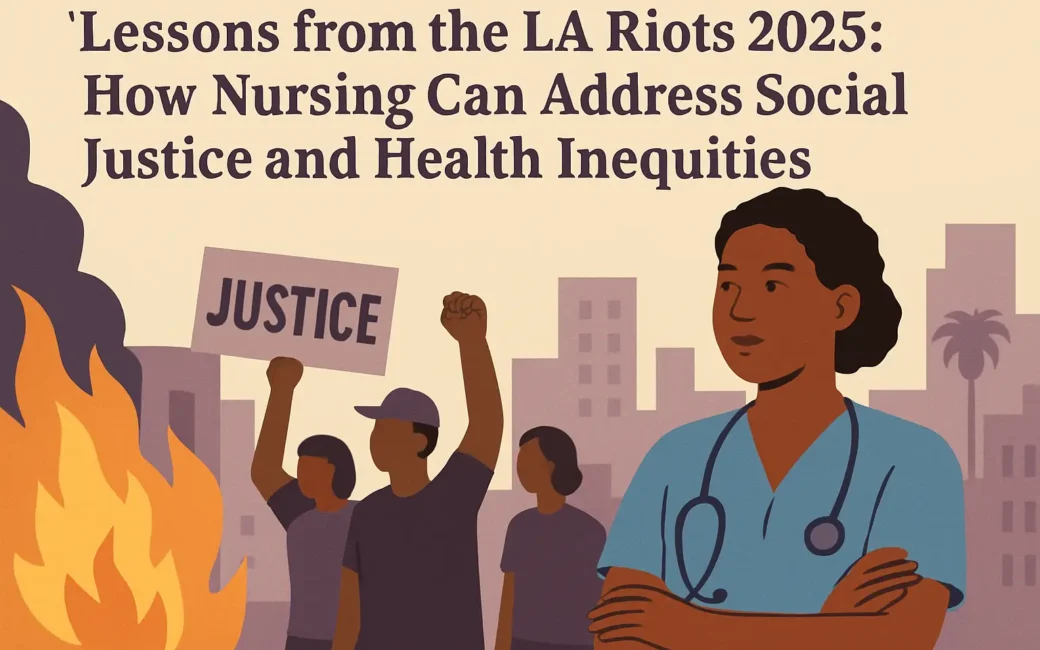
Lessons from the LA Riots 2025: How Nursing Can Address Social Justice and Health Inequities
Hey there! So, the LA Riots in 2025 seem like a distant memory, but honestly, the lessons we can pull from that chaos are super relevant—especially for us in the nursing field. If you’re anything like me, you probably started nursing school thinking, “I just wanna help people.” But it’s way more than that, right? We’re in a unique position to tackle the deep-seated social injustices that are still impacting our communities. So, let’s dive into how we can really make a difference!
Understanding the Context: What Happened?
First off, let’s quickly recap what went down during those riots. You might remember hearing about the protests sparked by systemic racism, police brutality, and countless other issues that were just bubbling over. The anger and frustration were palpable, and honestly, it felt like a wake-up call for many of us. It wasn’t just about the riots themselves; it was about what was behind them. It’s like peeling back an onion—each layer reveals more about health disparities, lack of access to care, and social injustices that have plagued marginalized communities for years. Here’s what I mean:
- Racism and Health Outcomes: We know that racial and ethnic minorities often have worse health outcomes than their white counterparts. Why? Because of a multitude of factors like socioeconomic status, access to healthcare, and even discrimination in medical settings.
- Mental Health Stigma: People affected by systemic injustices often struggle with mental health but are hesitant to seek help due to stigma. If we don’t address this, we’re just putting a Band-Aid on a much deeper wound.
- Community Trust: The trust between healthcare providers and communities can take a serious hit during times of unrest. As nurses, we need to rebuild that trust, and it starts with understanding and advocating for social justice.
How Can We Address Health Inequities?
Let’s be real for a second. Tackling health inequities isn’t something we can fix overnight. But there are definitely steps we can take. Here’s how nurses can be champions for social justice:
- Educate Ourselves: Seriously, if you haven’t taken a course on health disparities or cultural competency yet, now’s the time. Understanding the historical context of the communities we serve can make a world of difference.
- Advocacy: Get involved! Whether it’s policy change, community health initiatives, or simply being a voice for your patients, advocacy is key. Honestly, even sharing articles on social media can spark important conversations.
- Empathy and Listening: I can’t stress this enough. Sometimes, patients just want to be heard. Take the time to listen to their stories. It’s not just about treating symptoms; it’s about understanding the person behind them.
- Incorporate Social Determinants of Health: As nurses, we need to consider not just the biological aspects of health but also the social factors like housing, education, and economic stability. Remember, a patient’s zip code can often predict their health outcomes more than their genetic code!
The Role of Community Engagement
Now, here’s the thing: we can’t do this alone. Community engagement is essential. Think of it as a two-way street. We need to actively involve the communities we serve in our health initiatives. This could mean:
- Building Partnerships: Collaborate with local organizations, schools, and community leaders. They often have insights and resources that we might not be aware of.
- Creating Culturally Relevant Programs: Health education programs that resonate with the community’s culture and values can be game-changers. We can’t just throw generic pamphlets at them!
- Getting Feedback: Whether it’s through surveys, focus groups, or casual conversations, getting feedback from the community can guide our practices and policies. People know what they need better than we do sometimes.
Final Thoughts: Why This Matters
So, why should we care about all of this? Well, aside from the fact that it’s our duty as nurses to advocate for all patients, let’s face it: we also want to see real change. Social justice isn’t just a buzzword; it’s a necessity for improving public health. We are on the frontlines, and we have the power to influence change in our communities.
In conclusion, the lessons from the LA Riots of 2025 remind us that we can’t ignore the systemic issues affecting health. Let’s commit to being proactive, empathetic, and knowledgeable. Together, we can create a healthcare environment that doesn’t just treat illnesses but also fights for justice. Honestly, I wish someone had told me all this sooner in my nursing journey. It would have made my path a lot clearer.
Thanks for tuning in! Let’s keep this conversation going. How do you think we can collectively make a difference in our communities? I’d love to hear your thoughts!